
EsPCEx-AMAN-2020 – EN
EsPCEx-AMAN-2020

Compare this and other solutions to entrance exam questions from fisicaevestibular.com.br with others and you will see that it:
 It has a better look and more informative illustrations.
They were made for students who really have difficulties with Physics and Mathematics concepts, always trying to explain the smallest details.
It doesn’t just include formulas, always trying to show their origins and uses.
Whenever necessary, he tries to explain through drawings and illustrations.
Don’t skip steps explaining sequence by sequence.
There is a great deal of concern that the student understands the solutions. The teacher puts himself in the student’s shoes.
It often provides information beyond what is necessary for the resolutions, but is useful for future entrance exams.
And much, much more.

To join AMAN, the young person must take a public exam for the Army Cadet Preparatory School (EsPCEx) where they will study for one year of Higher Education and, if they pass, they will proceed to AMAN .
EsPCEX is located in the city of Campinas – SP . During the course, the young person will be in the condition of a student (this is equivalent to a rank between 2nd Sergeant and 3rd Sergeant).
The Army Preparatory School for Cadets (EsPCEx), located in the city of Campinas, SP, is the Army’s military education establishment responsible for selecting and preparing young people to enter the Officer Training Course for Arms, the War Material Corps or the Quartermaster Service.
The selection is made annually, through a nationwide admissions competition, in which around 400 vacancies are offered for men and 40 vacancies for women.
Some conditions for registration:
be Brazilian born, both sexes;
be at least 17 (seventeen) and no more than 22 (twenty-two) years old, completed by December 31st of the year of enrollment;
have completed or be studying (in the year of registration) the 3rd year of High School;
Registration for the competition takes place annually from May to June, and is done online through the website: www.espcex.ensino.eb.br .
The competition consists of an intellectual exam, health inspection, physical aptitude exam, verification of biographical requirements and verification of moral suitability.
The intellectual examination tests usually take place in mid-September, and candidates classified within the number of vacancies are called to appear at EsPCEx in January of the following year, in order to undergo the other stages of the admissions exam mentioned above.
If approved in all stages of the selection process, the candidate is enrolled and becomes an active military member of the Brazilian Army, as a Student of EsPCEx. If he/she successfully completes the course, he/she will proceed to the Academia Militar das Agulhas Negras (AMAN), in Resende (RJ), where, after 4 years, he/she will complete the Training Course and be declared an Officer Candidate of the Arms, of the War Material Cadre or of the Quartermaster Service of the Brazilian Army .
01- (EsPCEx – AMAN – SP – RJ – 2020)

In the isosceles right triangle XYZ, as shown in the drawing below, where XZ = YZ = 3.0 cm, a point electric charge = +6 nC was placed at vertex X and a point electric charge e = +8 nC at vertex Y.

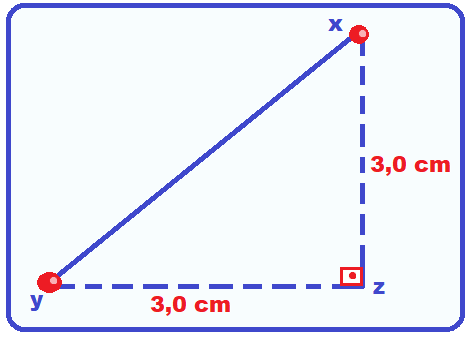
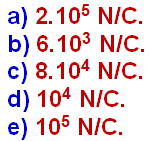
The intensity of the resulting electric field at Z, due to the charges already mentioned, is:
Data: the medium is vacuum and the electrostatic constant of vacuum is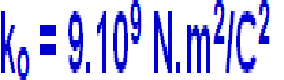
02- (EsPCEx – AMAN – SP – RJ – 2020)
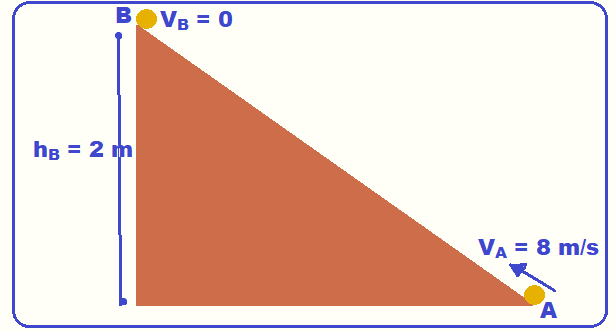
A homogeneous body with a mass of 2 kg slides over a horizontal, frictionless surface at a constant speed of 8 m/s in the direction indicated in the drawing, characterizing situation 1.
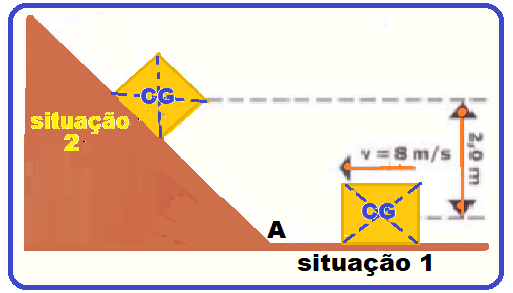
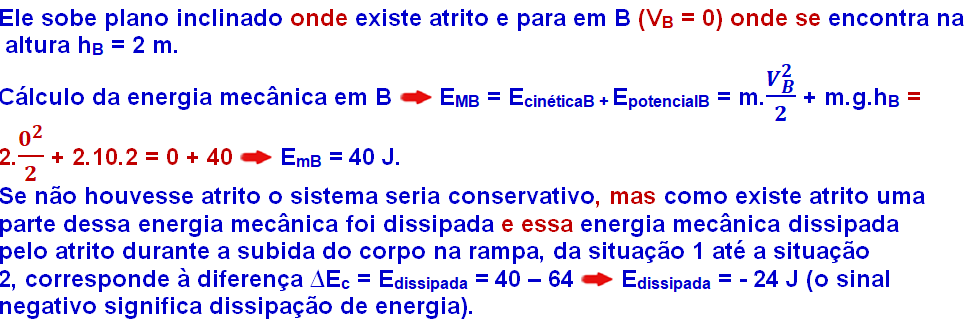
From point A, the ramp begins to climb, where there is friction. The body rises until it stops in situation 2, and, at that moment, the difference between the heights of the centers of gravity (CG) in situations 1 and 2 is 2.0 m.
The mechanical energy dissipated by friction during the body’s ascent on the ramp, from situation 1 to situation 2, is
Given: adopt the acceleration of gravity g=10

03- (EsPCEx – AMAN – SP – RJ – 2020)
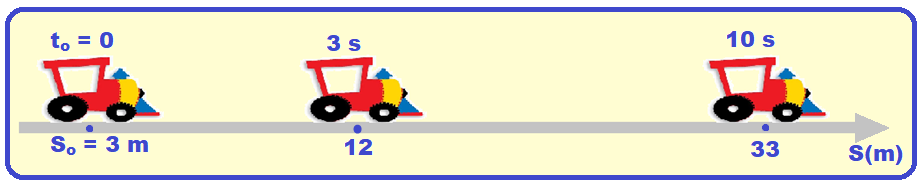
Consider an object that moves in uniform rectilinear motion for 10 s.
The drawing below represents the graph of space as a function of time.
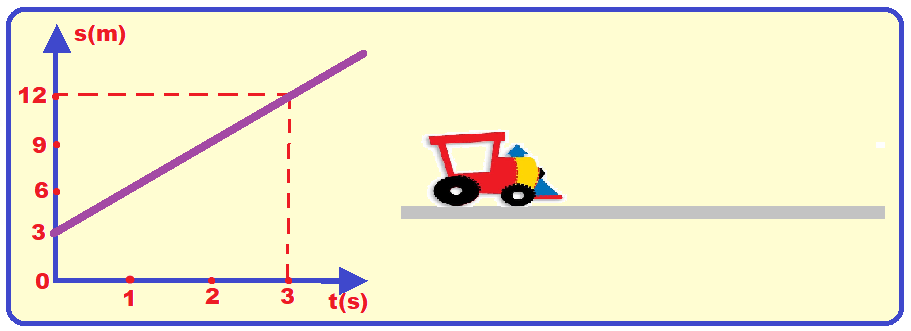
The space of the object at time t = 10 s, in meters, is

04- (EsPCEx – AMAN – SP – RJ – 2020)
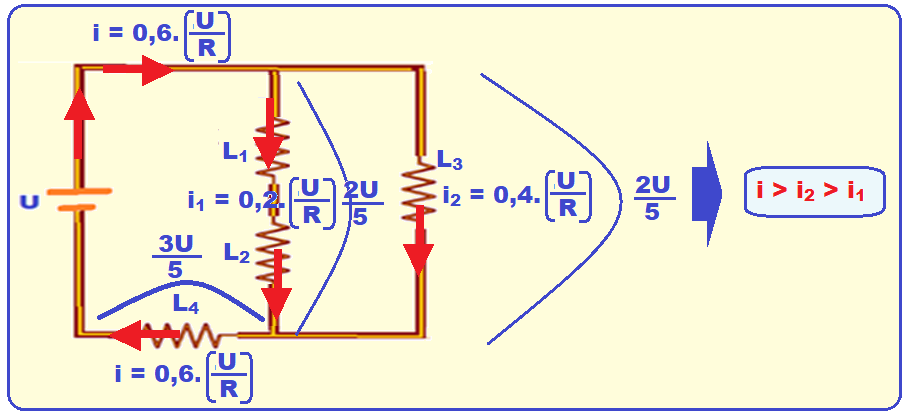
The circuit of a certain electrical device is formed by two ideal batteries, each with a voltage of “V” , four incandescent lamps, which have constant electrical resistances of the same value, and conductive wires with negligible resistance, as shown in the drawing below.
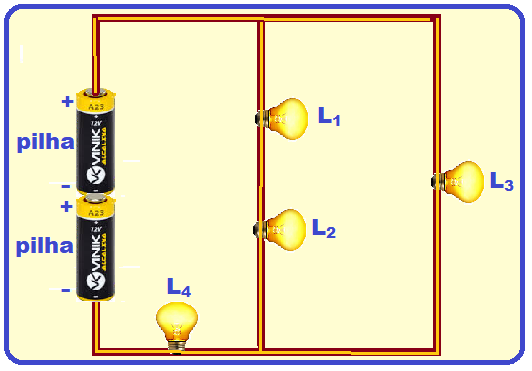
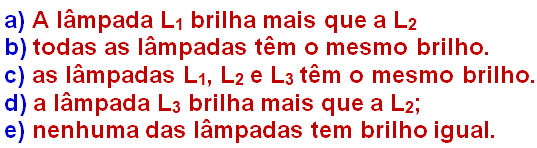
Considering that the bulbs do not burn out, it can be stated that
05- (EsPCEx – AMAN – SP – RJ – 2020)
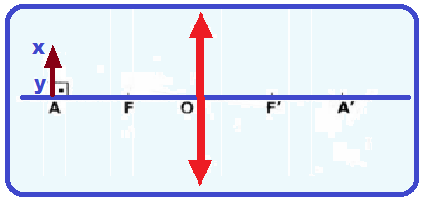
A rectilinear and frontal object XY, perpendicular to the main axis, is in front of a thin converging lens.
The foci F and F’, the antiprincipal points A and A’ and the optical center “O” are represented in
drawing below.
With the object XY over the antiprincipal point A, it can be stated that the image X’Y’ of this object is:
Data: OF = FA and OF’ = F’A’
a) real, inverted, and the same size as XY
b) real, inverted, greater than XY
c) real, right, greater than XY
d) virtual, right, smaller than XY
e) virtual, inverted, and the same size as XY.
06- (EsPCEx – AMAN – SP – RJ – 2020)


07- (EsPCEx – AMAN – SP – RJ – 2020)
08- (EsPCEx – AMAN – SP – RJ – 2020)
An ideal gas is compressed by an external agent, while receiving heat of 300 J from a thermal source.
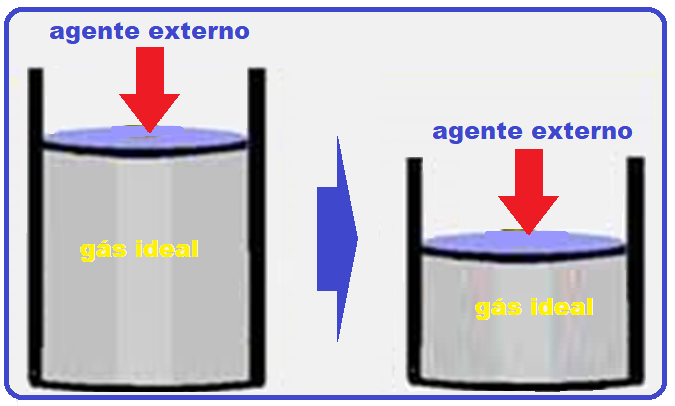
Knowing that the work of the external agent is 600 J, then the variation in the internal energy of the gas is

09- (EsPCEx – AMAN – SP – RJ – 2020)
On the inclined plane below, a homogeneous block is under the action of a force of intensity F = 4 N, constant and parallel to the plane.
The block travels the distance AB, which is equal to 1.6 m, along the plane at constant speed.
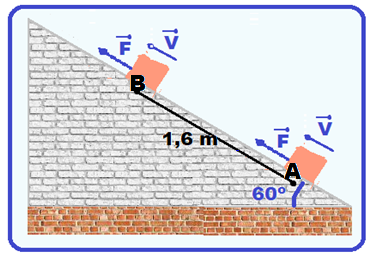
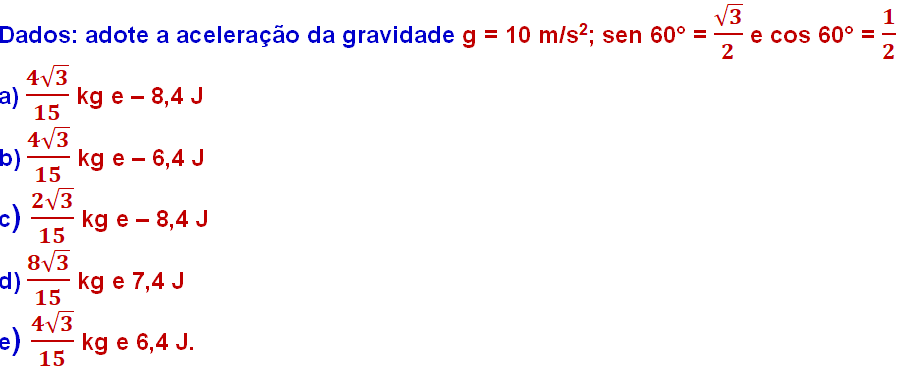
Neglecting friction, then the mass of the block and the work done by the force weight when the block moves from point A to point B are, respectively,
10- (EsPCEx – AMAN – SP – RJ – 2020)
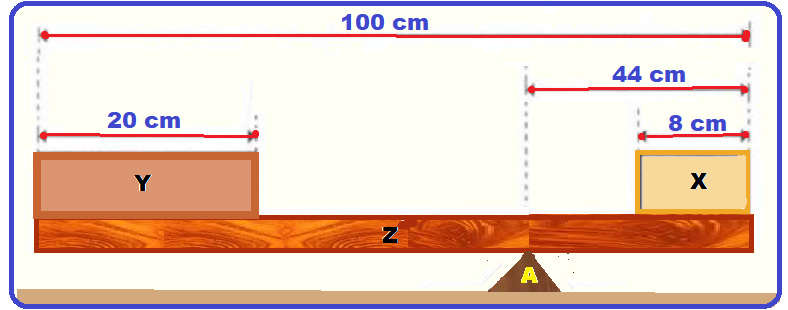
A homogeneous rigid beam Z with a length of 100 cm and a weight of 10 N is supported on support A, in static equilibrium.
Blocks X and Y are homogeneous, with the weight of block Y being 20 N, as shown in the drawing below .
The weight of block X is

11- (EsPCEx – AMAN – SP – RJ – 2020)
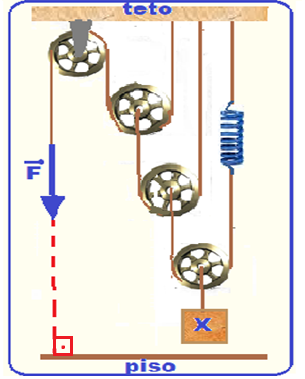
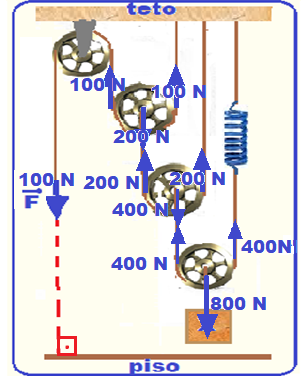
The pulley system, one fixed and three movable, is in static equilibrium, as shown in the drawing. The elastic constant of the ideal spring, of negligible weight, is equal to 50 N/cm and the force F at the end of the rope is of intensity equal to 100 N.
The wires and pulleys, being equal, are ideal . The value of the weight of the body X and the deformation suffered by the spring are, respectively:
a) 800 N and 16 cm.
b) 400 N and 8 cm.
c) 600 N and 7 cm.
d) 800 N and 8 cm.
e) 950 N and 10 cm.
12- (EsPCEx – AMAN – SP – RJ – 2020)


Commented resolution of Physics questions from EsPCEx – AMAN – SP – RJ – 20120
01-

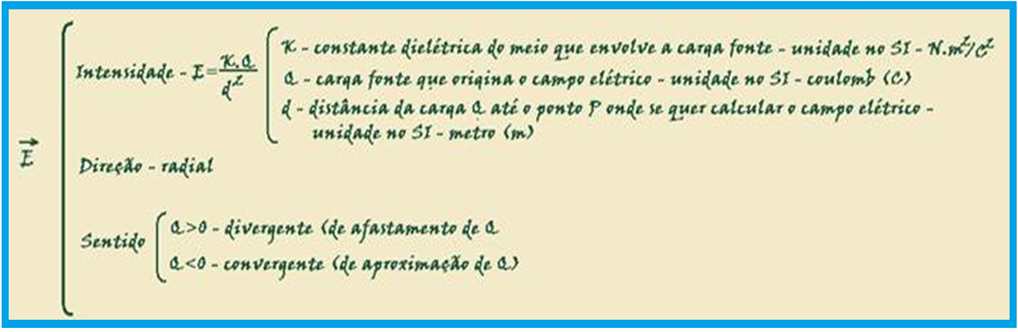
Electric field generated by several source charges
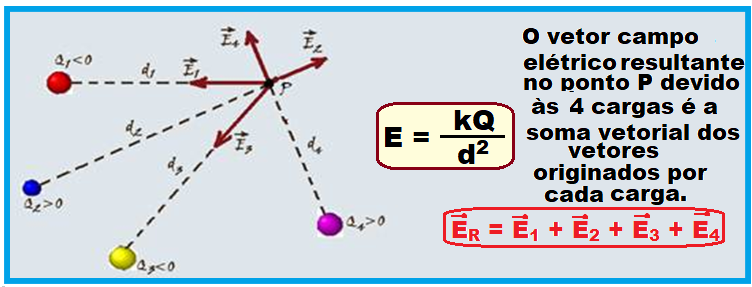

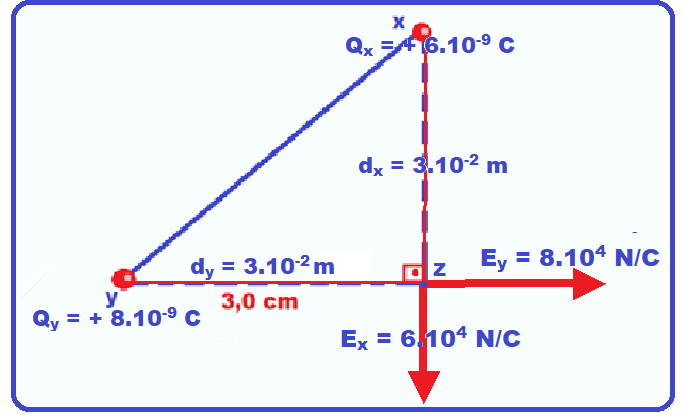

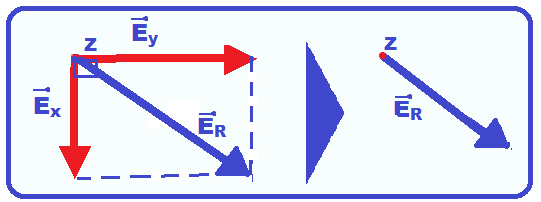
Since you are asked for the intensity of the resulting electric field at Z due to the two charges , you must add them vectorially and apply Pythagoras.

R- And
02-
Let’s consider the body as a material point located at its center of gravity and remember that, when it reaches A, it has a speed V A = 8 m/s (MRU).

R-C
03-
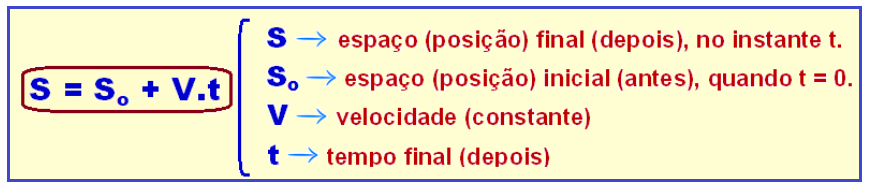
Any movement whose scalar velocity is constant and non-zero is called uniform motion (MU).
MU time function
Sxt graph for a MU
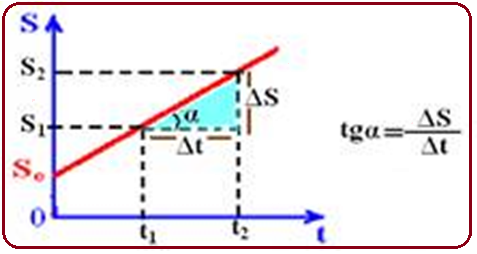
Note that tgα = ΔS/Δt , but V= ΔS/Δt and therefore V = tgα  on any SXt graph , tgα is numerically equal to the speed V.


R-C
04-
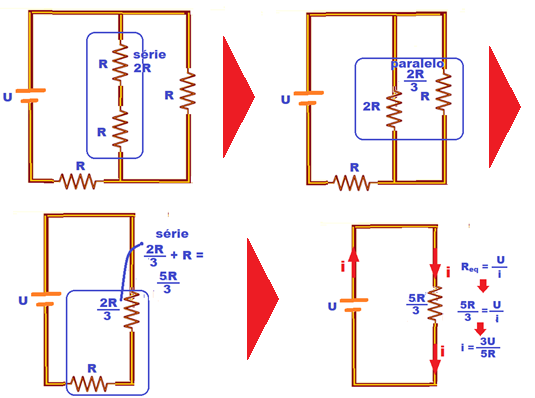
The two batteries are connected correctly so the voltage they supply to the circuit is U = 2V.
The 4 lamps are identical because they have resistances of the same R value.
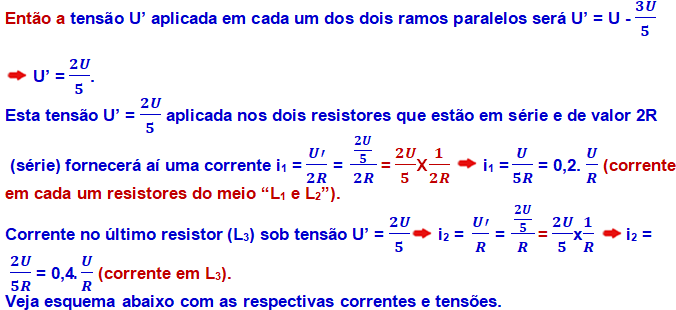
Let’s calculate the intensity of electric current in each lamp by calculating the resistance of the equivalent resistor R eq , based on the sequence below:

R-D
05-
See the geometric construction of the image in the diagram below:
Object O about A o (center of curvature) (antiprincipal point).
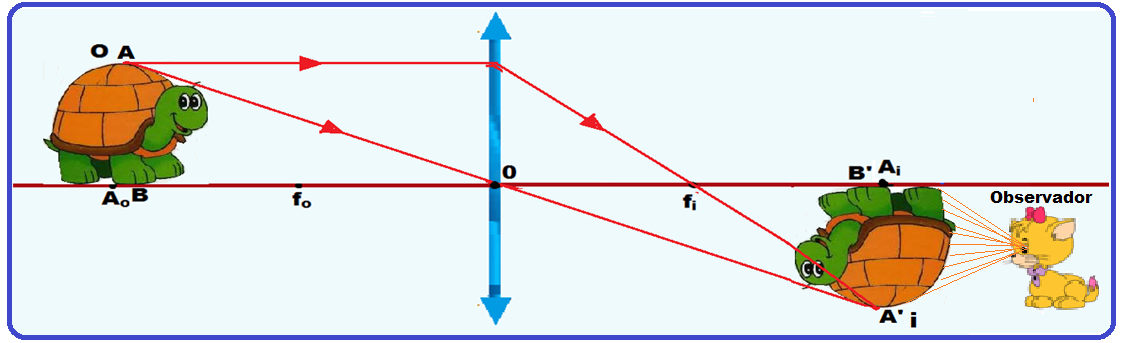
Image features i:
Real nature . 
Location under A i (center of curvature).
Size and orientation same size as the object and inverted in relation to it .
Utility: Normal size photocopy (same as the object)
A- A
06-
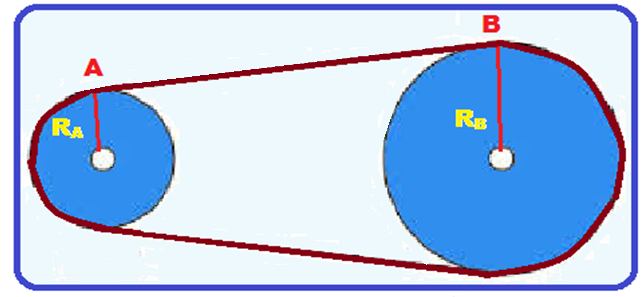
Coupling of pulleys and gears
Two or more pulleys can be connected using a belt (figure 1) or two or more gears can be coupled (figure 2)
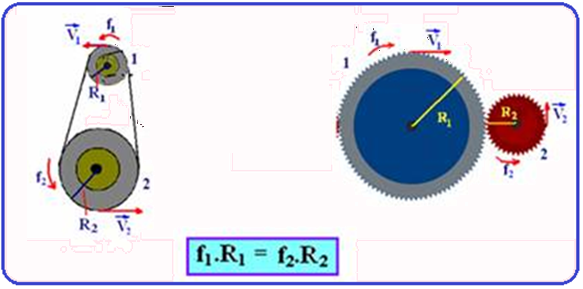
All points on the belt ( admittedly inextensible) have the same scalar speed V as all points on the periphery of each pulley, as long as no slippage occurs.


R-D
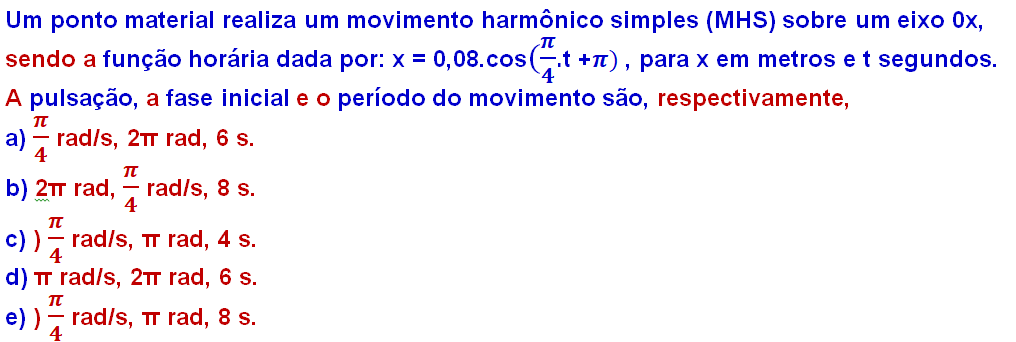
07-
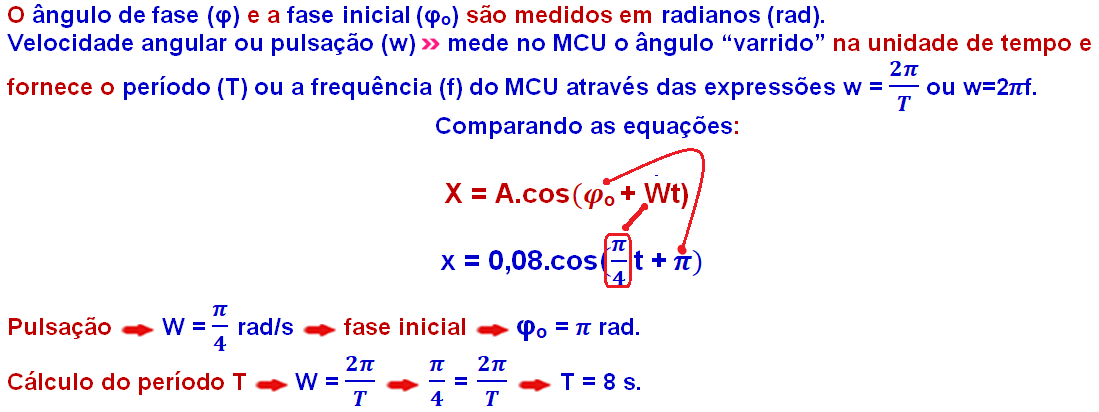
Time function of elongation

R- And
08-
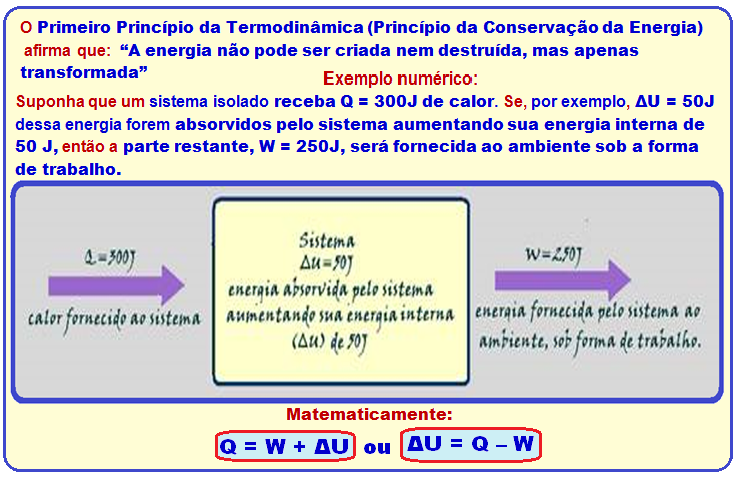
If you haven’t mastered the theory, see the summary below:
First Principle of Thermodynamics or Principle of Conservation of Energy
Internal energy of a perfect gas
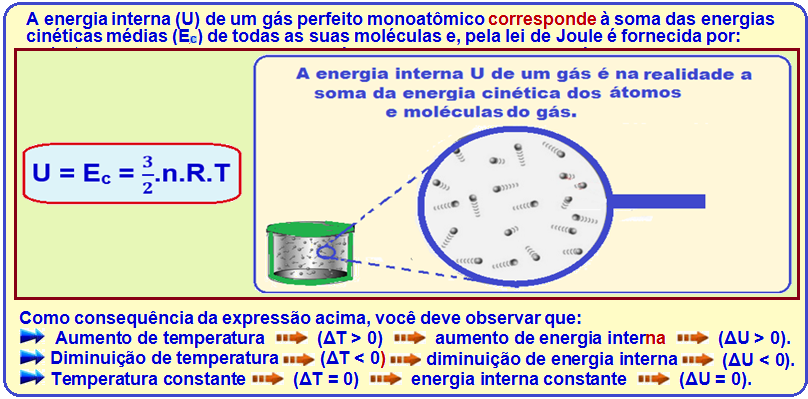
First Principle of Thermodynamics or Principle of Conservation of Energy
Positive work or negative work
In the expression W = P.(V – Vo) , since the pressure P is always positive:
 If V > Vo W > 0 the expanding system (gas) performs work on the external environment.
 If V < Vo W < 0 the external environment (environment) performs work on the system (gas).
As the gas receives heat from the heat source  Q = + 300 J
If the ideal gas is compressed by an external agent (final volume smaller than initial volume) the work is negative and the external environment (environment) performs work on the system (gas) W = – 600 J.
 = Q – W = 300 – (-600) = 300 + 600 = 900 J.
A- A
09-
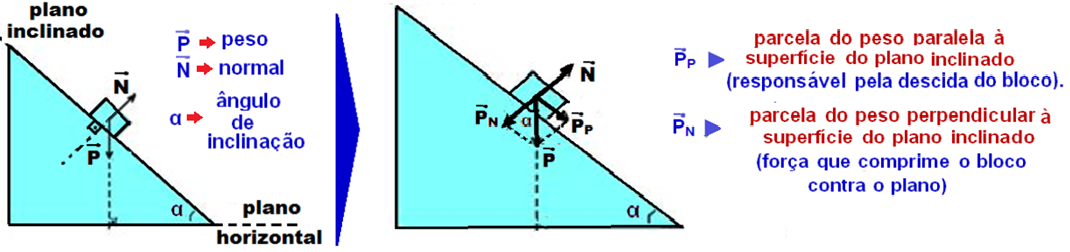
Frictionless inclined plane


Work of the Weight Force
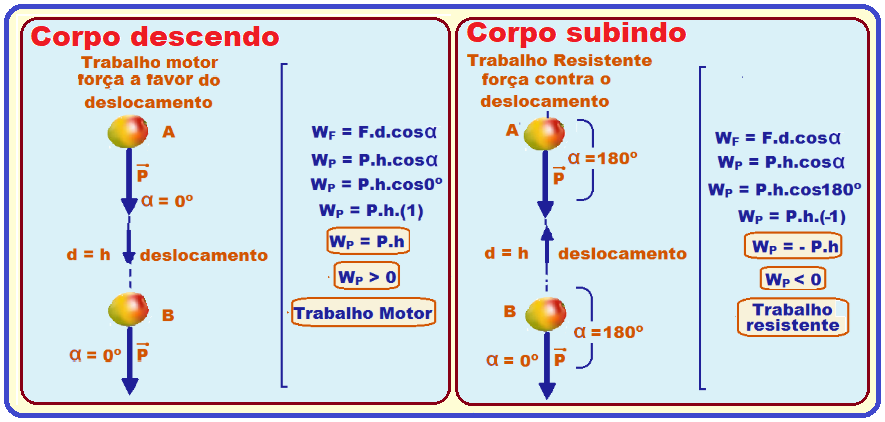
The work of the weight force is positive when going down, negative when going up and zero when moving horizontally.
The work done by the force weight does not depend on the path taken by the material point.
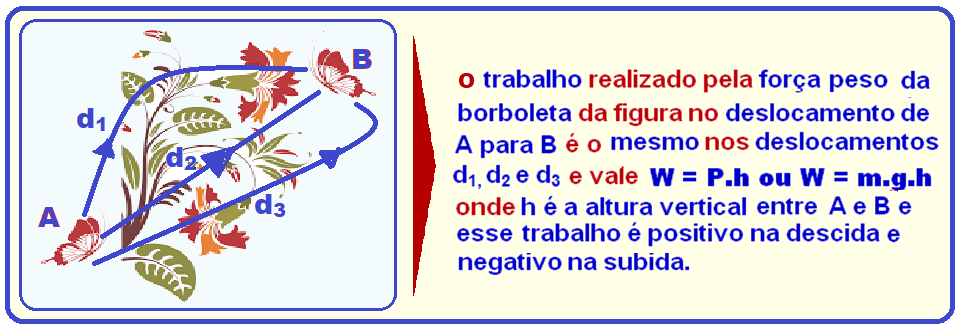
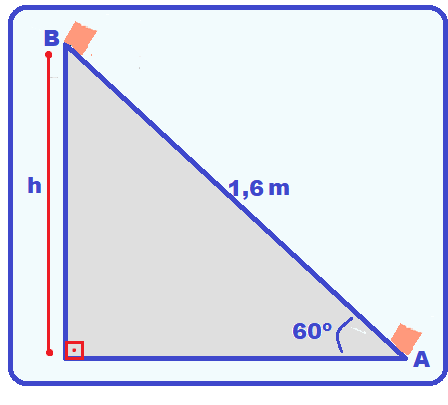
Since the work of the weight force is independent of the trajectory, you can calculate it by the height between A and B using the sine of 60° in the triangle below:

R-B
10-
Equilibrium conditions of an extended body
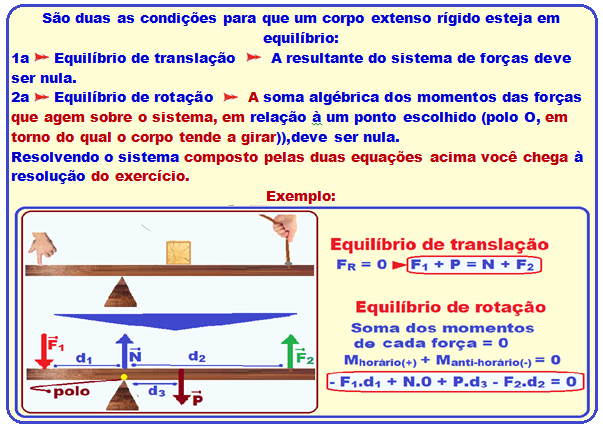
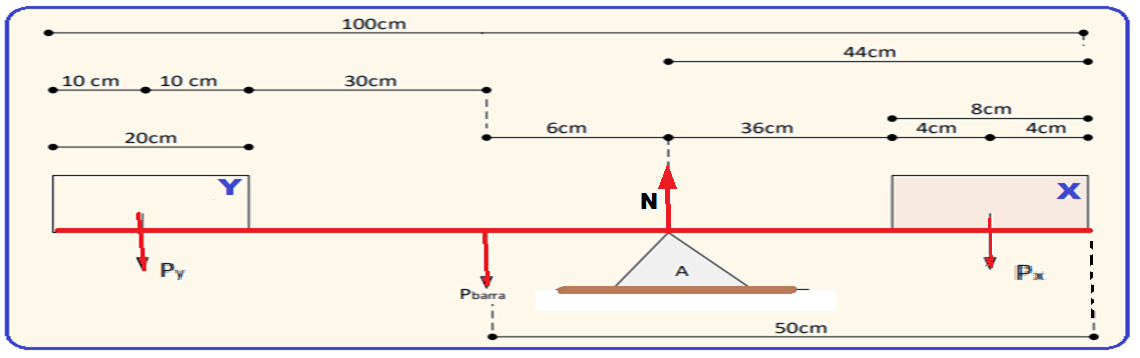
In the case of the exercise, you must initially place the weight forces that each block exerts on the beam in the center of mass (geometric center) of the same;
As the beam is homogeneous, its weight must be in the middle, 50 cm from each end.
Place the reaction of support N on the bar (vertical and upwards) at the point of contact of support A with the bar.
Redistribute the distances (figure below).
To make things easier, the following figure shows only the forces of interest along with their respective distances, and pole 0 (axis of rotation) was chosen as N.
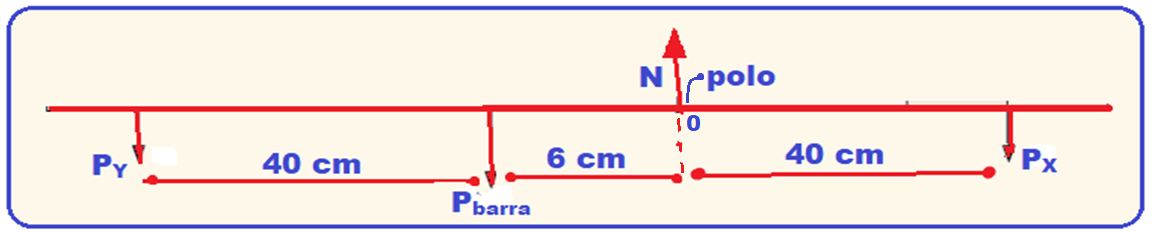
Calculation of the moment of each force in relation to the pole establishing the clockwise direction of
rotation as positive and counterclockwise as negative.

R- And
11-
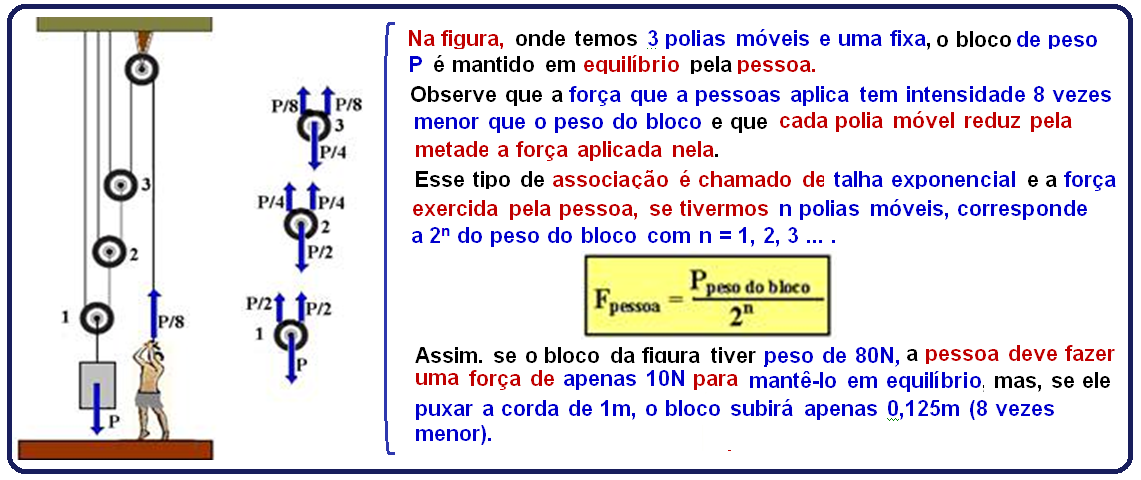
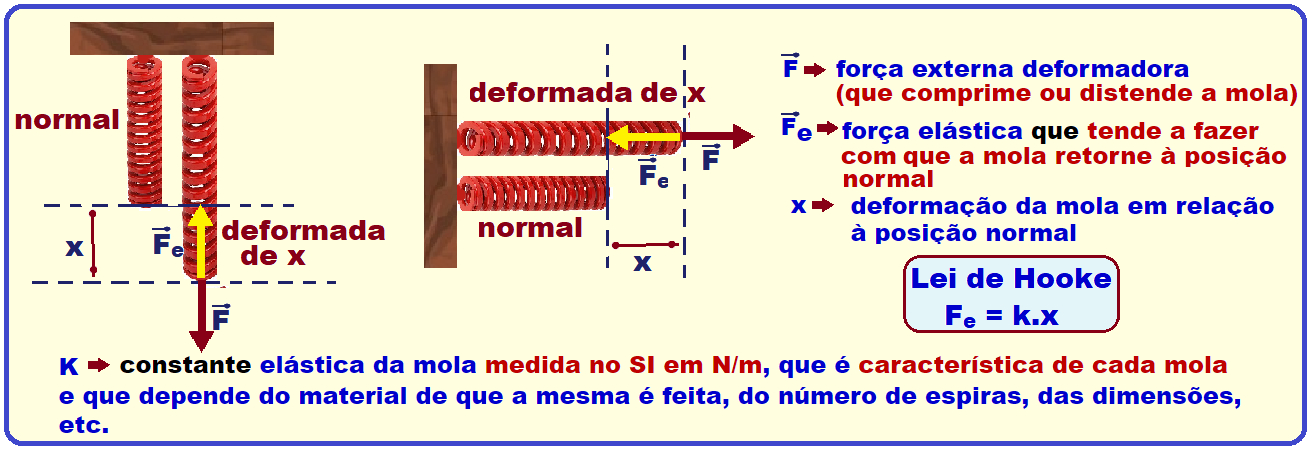
Below is a summary of the theory required to solve the exercise:
One fixed pulley and several moving pulleys (exponential hoist)
Elastic force – Hooke’s law
See in the figure below the distribution of forces as explained in the theory above :
You could also apply the exponential slope formula from the theory above:
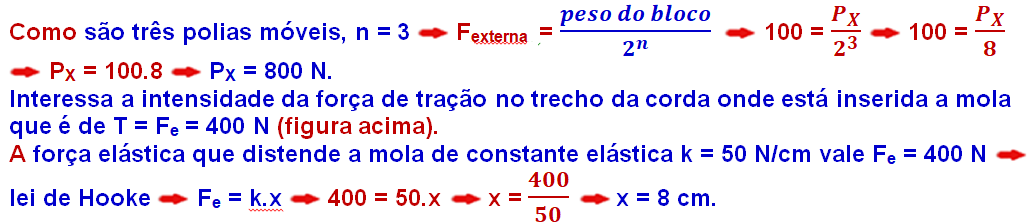
R – B
12-
See a summary of the theory below:
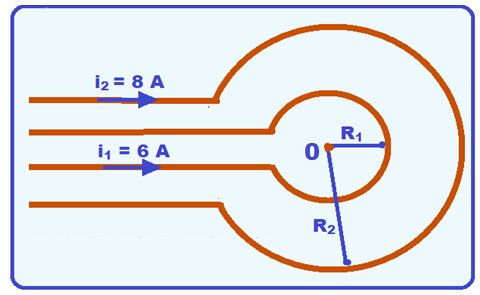
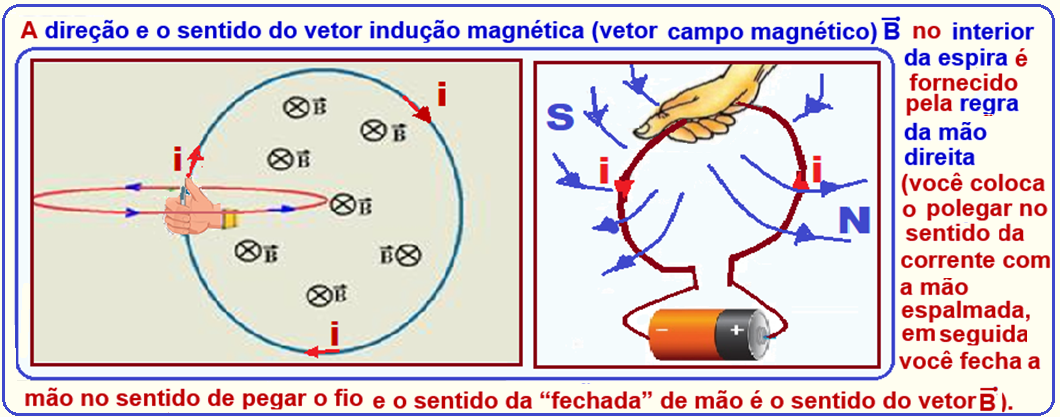
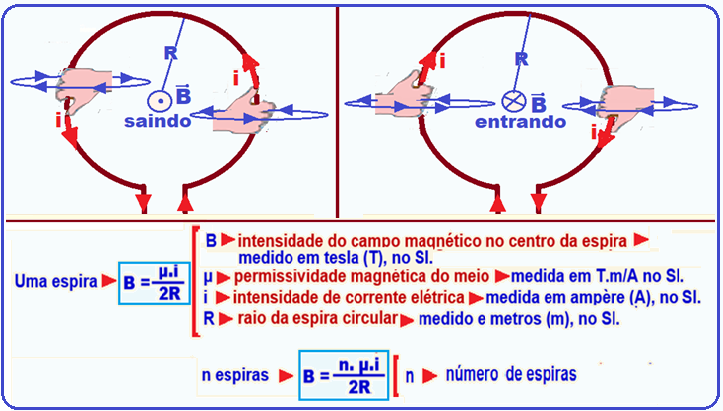
Direction and sense of the magnetic field generated by a circular loop
Intensity of the magnetic field vector  at the center of a circular loop

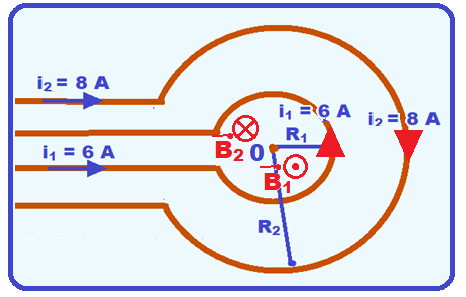


A- A